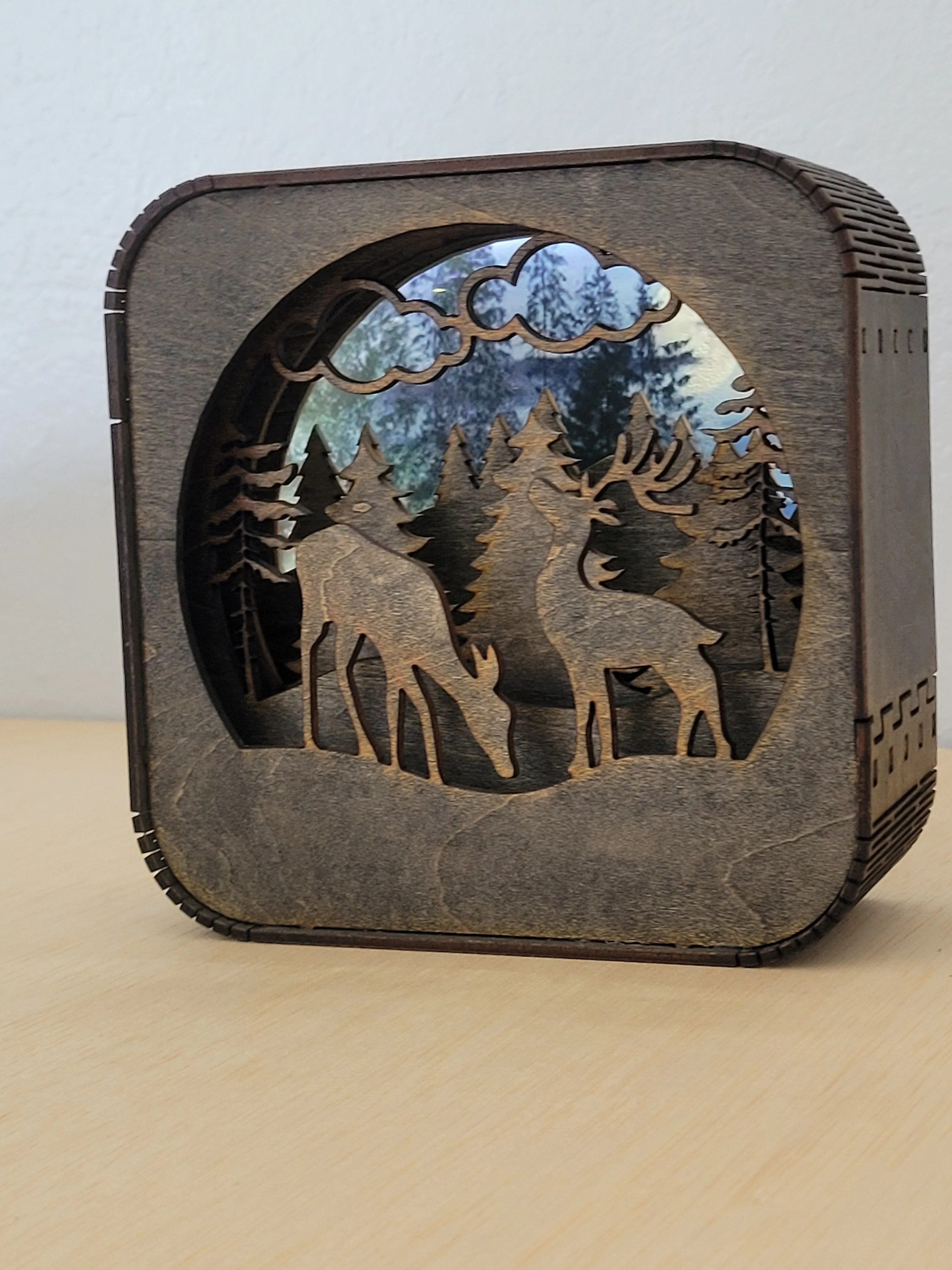
Shopping for a mom who has everything can make even a simple occasion feel strangely high stakes. She may already have the practical things she needs, buy herself the small luxuries she wants, and honestly mean it when she says, “Please do not get me anything.” That does not mean there is no good gift. It means the usual shortcut, finding a product that looks impressive on a list, is less useful.
The better question is not “What has she not bought yet?” It is “What would feel like it came from the people who know her?” A gift can be modest, useful, decorative, shared, or sentimental. The part that makes it land is a clear connection to her real life: the way she makes a room welcoming, the people she holds close, a routine she enjoys, or a memory you both recognize.
Start by deciding what you want the gift to say
When Mom has everything, the object matters less than the message behind it. Before looking at products, choose the feeling you want her to receive. It might be appreciation for the steady things she does, recognition for a family milestone, a little warmth for the space she has made her own, or simply a reminder that you notice her.
That decision rules out a lot of noise. A gift meant to say “thank you for making home feel like home” will be different from one meant to celebrate a birthday, a new grandchild, a move, or Mother’s Day. You do not need a speech printed on the gift. You need a reason the piece belongs to her.
- For appreciation: choose something that makes an everyday place feel a little more cared for.
- For a family moment: choose one detail that brings the people she loves into view.
- For a milestone: choose a keepsake that can stay meaningful after the date has passed.
- For a quiet surprise: choose something small enough to feel easy, but specific enough to feel chosen.
There is no rule that every gift for Mom needs to be emotional. A practical piece can be thoughtful when it fits a routine she actually has. A decorative piece can be thoughtful when it earns a place in a room she enjoys. The right direction is the one that feels true to the relationship, rather than a performance of how much you spent.

Look for the one thing she would not buy for herself
Someone who has everything often has already covered the obvious categories. She has the mug, the kitchen tool, the basic candle, the sweater, and the useful household item. Trying to outsmart her shopping list can lead straight to clutter. Instead, look for a gift that reflects an observation only you would make.
Think about what she keeps in view. It might be family photos, a favorite kind of wood finish, a soft lamp in the evening, a collection on a shelf, a garden she tends, or the chair where everyone ends up talking. Think about what she says without realizing it, too: a phrase she repeats, a family nickname, a story she tells, or an interest that always makes her light up. Those details are better gift clues than a generic category.
A useful test is the “anyone test.” Could the same gift be handed to any mom and still make perfect sense? If so, pause before buying. That does not make the gift bad, but it may need one more connection. A familiar material, an appropriate size for her space, a particular theme, or a personal detail can turn a broad idea into something that feels like it was selected with her in mind.
Keep the detail simple. A name, family title, short phrase, meaningful date, or favorite theme can be enough. Overfilling a piece with every memory, name, and message can make the gift feel less confident. One real connection has more staying power than a crowded design.
Choose the role the gift will play in her life
Once you have a clue about Mom, decide what the gift should do after she opens it. This is where many good ideas become easier to compare. A gift can become a visible keepsake, a useful part of an ordinary routine, a warm part of her home, or an invitation to spend time together. Each role answers a different need.
A keepsake for a relationship or milestone
A keepsake works when the point of the gift is to hold onto a feeling, person, or chapter. It might mark a birthday, Mother’s Day, an anniversary, a family achievement, or a simple thank-you that has been waiting too long. Keepsakes do not need to be large to matter. They need a natural place where she will see them again.
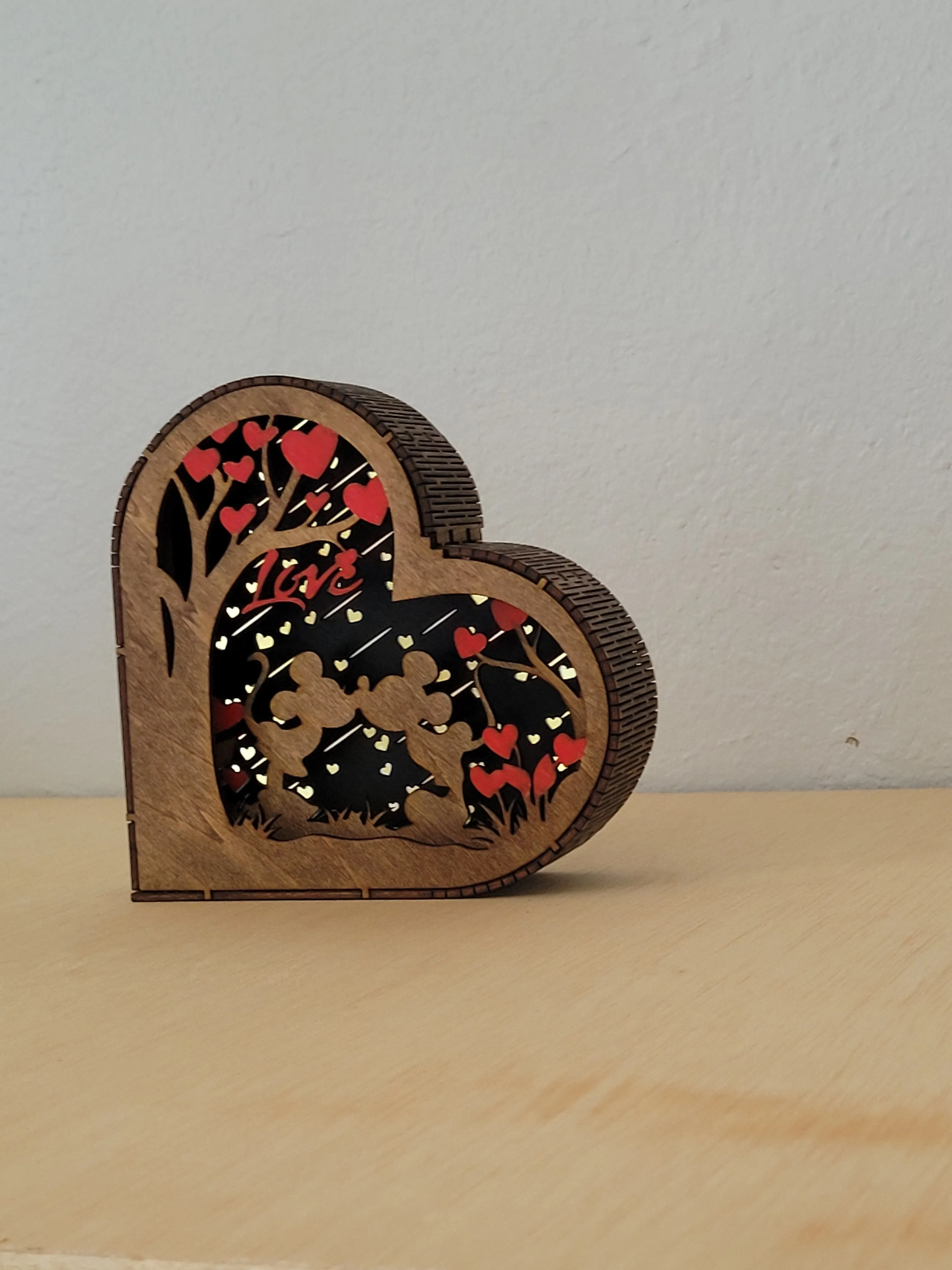
A heart-shaped layered wood Shadow Box is one direction when you want the sentiment to be clear without writing a long message. Its layered construction gives it depth and presence, while a name can make it feel connected to the people who chose it. For more ideas around this kind of gift, the site’s personalized gifts for Mom guide shows how a keepsake can fit a shelf, mantel, or bedside table.
A useful piece for a familiar routine
Practical does not have to mean impersonal. If Mom spends time at a desk, in a reading corner, at a bedside table, or in a space where she keeps a few important things close, a small useful piece can become part of the rhythm of her day. The best practical gift does not create work for her. It gives an ordinary object or moment a better place.
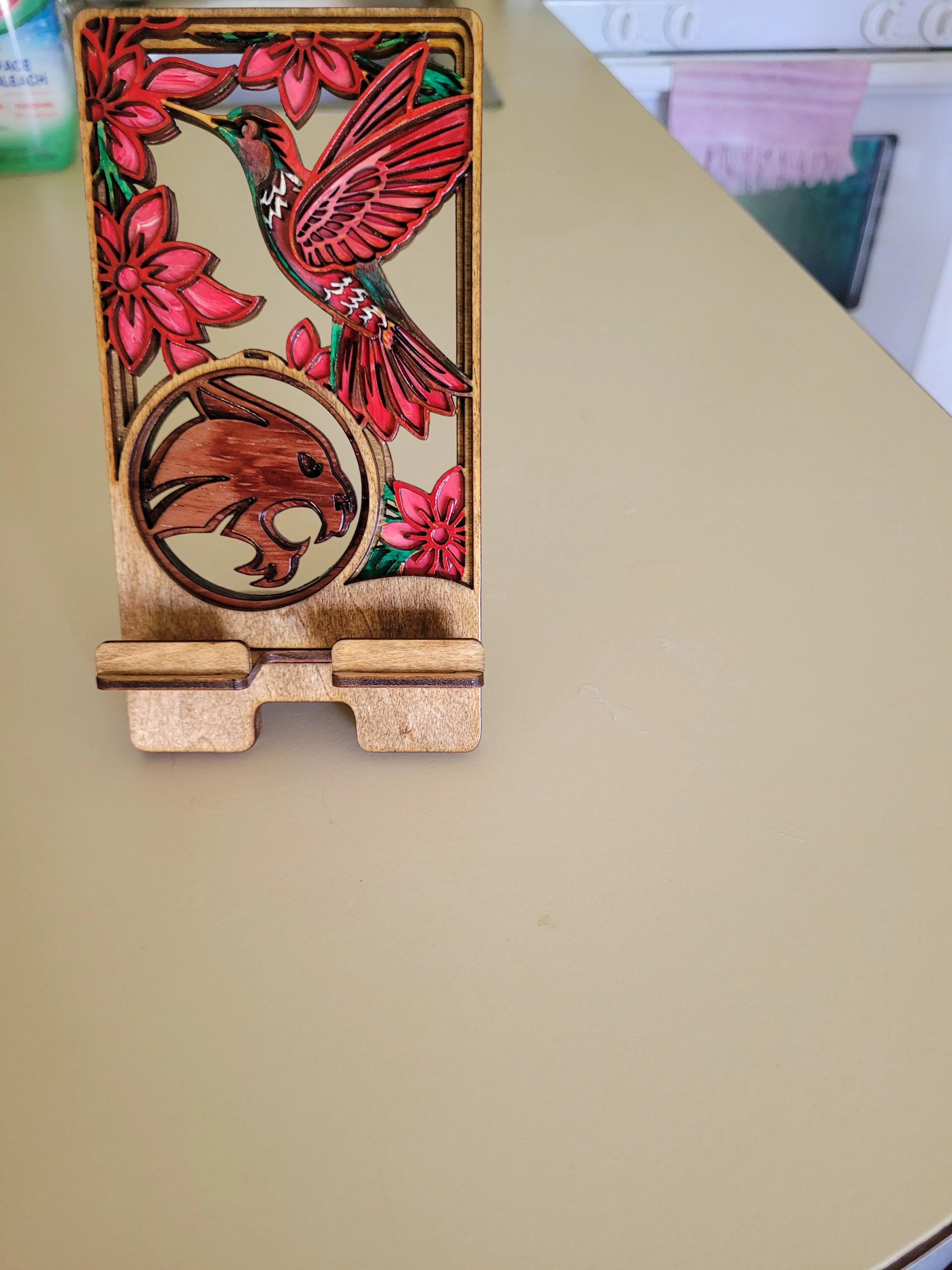
For example, a handmade phone holder may fit a desk, kitchen counter, or bedside table when you know she is always setting down her phone in the same place. The thoughtfulness comes from noticing the routine, not from pretending a small item will change her life. If it gives something she uses every day a more settled home, it can be a lovely choice.
A warm addition to the home
Some moms do not want more things, but still enjoy the small details that make a room feel finished. A handmade home accent can work beautifully when you know the room where it will live. Consider the scale of the shelf or table, the colors and wood tones already in the space, and whether she likes a calm, playful, rustic, or traditional feel.
The Shadow Boxes collection is a good starting point for a display piece with character. If she loves a soft evening glow, the tea light candle holder collection offers another kind of warmth. A home gift is strongest when it complements her space instead of asking her to reorganize it around the gift.
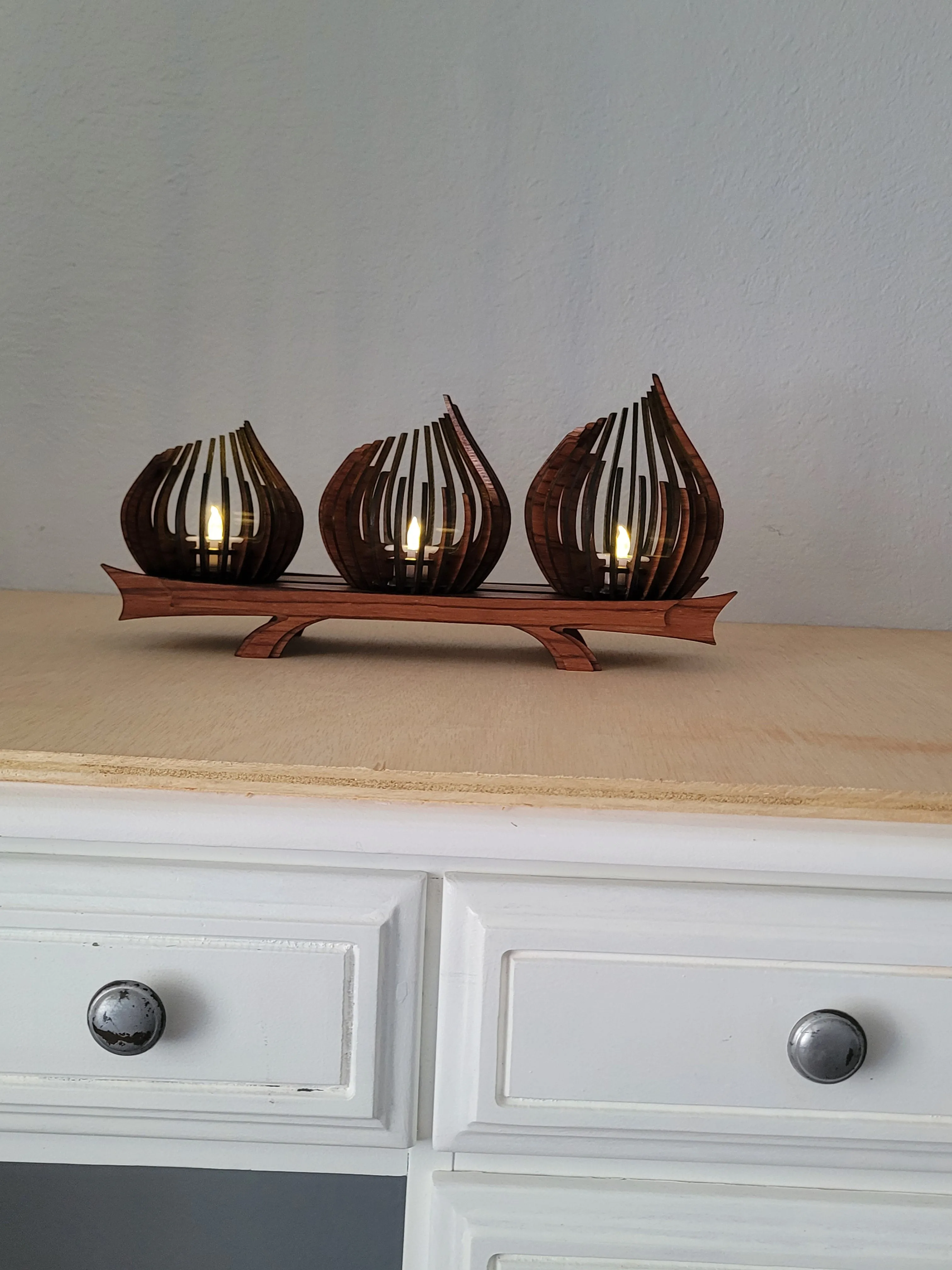
Use the room as a filter before you buy
One of the easiest ways to avoid an unwanted gift is to picture its future home. Instead of asking whether an item is pretty in a product photo, ask where she would put it on an ordinary Tuesday. A shelf, mantel, desk, nightstand, kitchen counter, reading nook, or entry table can give you useful limits around size, color, and purpose.
This is especially helpful when the person you are buying for is selective about decor. You do not need to guess her entire style. Look for the patterns you already know: does she lean toward warm wood, bright color, nature, family pieces, soft light, or clean surfaces? Does she have room for a larger display, or would a small accent be more welcome? The point is not to redesign her house. It is to choose something that can settle naturally into it.
If you cannot picture a spot, go smaller or choose a different role for the gift. A modest keepsake, a piece for a desk, or a shared experience is often safer than a large decorative object that may become one more decision for her to make. The goal is a gift that feels easy to receive, not a gift that creates an obligation to display it.
Make personalization feel like recognition, not decoration
Personalization works when it makes the gift more recognizably hers. It does not work as well when it is added just because there is an empty spot. Before choosing a name, date, or phrase, ask what she would notice first and why it would matter to her.
A family title can be meaningful when it reflects how the people closest to her know her. A date can work when it marks a moment everyone would recognize. A short phrase can be lovely when it is something she actually says or has heard from you for years. A favorite scene or theme may be the better choice when the memory is visual rather than verbal. The most natural personalization is usually specific and brief.
There is also value in leaving some things unsaid. A beautiful piece can carry meaning through its shape, material, and place in the home. If the relationship is close but private, a subtle reference may feel more comfortable than a large message. Choose the detail that makes her smile without requiring an explanation for every visitor who sees it.
Let the occasion set the tone, not the whole gift
The occasion can guide the choice, but it should not force it. A birthday, holiday, Mother’s Day, new home, or family milestone gives you a reason to celebrate. It does not mean the gift has to look like every other gift given for that occasion. In fact, the most memorable choice often starts with Mom herself and lets the event sit quietly in the background.
For a birthday, you may want something that celebrates who she is now: a favorite room, an interest, a little indulgence, or a family connection. For Mother’s Day, appreciation may be the clearer message, so a piece that reflects the care she puts into a home or family can feel right. At Christmas, a warm accent or a small keepsake may belong naturally among the rituals she already enjoys. For a thank-you without a calendar reason, a useful or modest piece can feel especially sincere because it does not need a grand occasion to justify it.
Try not to add every symbol associated with the event just to make it look seasonal. Those details can be lovely when she genuinely enjoys them, but they can also make a good gift feel temporary. If you want the piece to stay in view after the cards and wrapping paper are gone, favor the details that will still mean something in an ordinary month.
Ask for a clue without turning it into a committee meeting
When you are stuck, the people closest to Mom can often give you the one clue you need. A sibling, partner, friend, or grandchild may know what she has been talking about, which room she has been refreshing, or the small thing she keeps putting off buying. The goal is not to poll everyone until the gift becomes generic. It is to uncover a detail that helps you make a confident choice.
Ask a focused question. “What should I get Mom?” usually produces a list of random possibilities. “What has she been enjoying lately?” or “Which room is she happiest in?” is more likely to reveal something useful. You might hear that she has been spending more time in a reading corner, rearranging family photos, working at a kitchen table, enjoying evening light on the mantel, or talking about a story from years ago. Each answer gives you a direction.
You can also look at the home with fresh eyes. Notice where she puts objects that matter. Does she keep the family close in photos? Is there a shelf with room for one more carefully chosen piece? Does her desk need a little character? These are not tricks. They are simply observations that turn a gift from a category into a fit.
Know the difference between meaningful and overly specific
It is possible to make a gift so personal that it only works for one short moment. This happens when every detail depends on an inside joke, a very particular event, or a message that feels more like a card than something she would want in her home. That does not mean you should avoid specificity. It means you should choose the right kind of specificity.
Good specificity has room to last. A family title, a pair of names, a design she already loves, a familiar phrase, or a setting that feels like her home can remain meaningful for years. A large joke that only made sense during one holiday party may not. When you are unsure, imagine the gift a year from now. Would she still want to see it on the shelf, use it at her desk, or keep it in a favorite room? If yes, the detail probably has the right balance.
This is also a good way to decide between a very sentimental gift and a more neutral one. If Mom enjoys visible family keepsakes, a personal piece may be perfect. If she is private or has a more minimal style, choose a design, material, or useful role that reflects her without asking it to carry the whole family history. Thoughtful does not always mean emotionally loud.
Avoid the gift ideas that create more work for her
A great gift should not quietly hand Mom another task. Be cautious with anything that needs a major rearrangement, complicated upkeep, extra supplies, storage she does not have, or a commitment she did not ask for. This is especially important when she already says she does not need anything. Take her at her word, then look for something that adds pleasure without adding responsibility.
That can make small, well-chosen gifts more appealing than large gestures. A display piece sized for a familiar shelf can be easier to welcome than something that needs a whole wall. A modest desk accent may be better than a gadget with a learning curve. A gift that works in the room she already loves can feel generous because it respects the life she has, rather than asking her to make room for a new version of it.
There is one exception: if what she truly wants is help. A service, a day together, or support with something she has been carrying can be more meaningful than any object. If that is the direction you choose, make it specific. Instead of a vague promise to help someday, plan the afternoon, book the experience, or show up with the time and attention you are offering.
Do not confuse a big price with a big feeling
When shopping feels difficult, it is easy to assume the answer is a bigger or more expensive gift. Sometimes a larger gesture is exactly right, especially for a major milestone. But for a mom who already has what she needs, the better measure is usually fit. Does the gift show that you paid attention? Will it have a place in her life? Is the personal detail one she will actually enjoy?
A smaller handmade piece can carry more meaning than a costly item picked in a hurry. Likewise, an experience can be the best choice when what she truly wants is time with the people she loves. Do not force a physical gift if a day together, a meal, tickets, a class, or help with something she has been putting off would feel more generous. The right gift is not always an object, and a good object should never be a substitute for attention.
When you do choose a physical gift, set a budget that lets you prioritize the detail over the drama. Spend where it matters to her: craftsmanship, a material she loves, a custom touch with real meaning, or a piece that will be part of her daily surroundings. That creates a more personal result than spending extra on features she did not ask for.
Check the practical details before you commit
A meaningful idea can lose its shine if the basics are wrong. Before you order, read the description carefully, look through every product photo, check dimensions, and confirm any options. If a name, date, or message is involved, read it one more time before submitting. A personal gift only feels personal when the personal part is correct.
Online shopping also deserves a quick reality check. The Federal Trade Commission recommends reviewing return policies, comparing final costs including delivery, and checking the site’s reputation before buying. Its online shopping guide is a useful reminder to look past the first product photo and understand the whole purchase.
For handmade gifts, leave room for care. Order early enough to decide without rushing, and use the available product information to make sure the style, size, and timing fit the occasion. If you have a specific question about a listed Yarbys Creations piece, the contact page is the right place to ask before placing an order.
A simple decision guide when you are still stuck
If you have too many possible ideas, narrow them with four questions. The answer does not need to be perfect. It only needs to point you away from a generic choice and toward a gift with a believable place in her life.
- What does she make feel like home? A room, routine, gathering, collection, garden, or family tradition can reveal the right direction.
- What would she recognize as hers? Choose one name, phrase, memory, theme, or familiar detail rather than a generic label.
- Where will it live? A gift with a natural spot on a shelf, desk, mantel, or bedside table is more likely to stay in view.
- What needs to be checked before buying? Confirm dimensions, options, spelling, delivery timing, and the return information before you commit.
Once you can answer those questions, you have a real basis for deciding. You do not need to find something she has never seen before. You need to find something that feels like you saw her.
How Yarbys Creations can help
Yarbys Creations makes laser-cut, hand-finished wood pieces that bring texture, warmth, and a personal point of view to a home. For a mom who values family and meaningful decor, the heart-shaped Shadow Box is a strong choice because it can live comfortably on a shelf, mantel, or bedside table, with names available when that detail suits the gift.
If you are looking for a different kind of warmth, browse the full Shadow Boxes collection, the Home Decor collection, or the complete handmade shop. The best place to start is not a trend. It is the room, routine, or relationship you want the gift to honor.
Frequently asked questions
What do you give a mom who says she does not need anything?
Start with something connected to the people, place, or routine she values instead of another broad household item. A modest keepsake, a shared experience, or a useful piece with one meaningful detail can feel more natural than a large surprise.
Are personalized gifts a good choice for Mom?
They can be, as long as the detail has a real reason behind it. A name, family title, meaningful date, or familiar phrase works best when it is something she will recognize immediately and enjoy seeing again.
How do I avoid giving Mom more clutter?
Picture where the gift will live before you buy it. If it has a clear place on a shelf, mantel, desk, bedside table, or in a favorite routine, it is more likely to feel welcome than something chosen only because it is unusual.
How early should I order a handmade gift for Mom?
Order as early as possible. Read the full description, check dimensions and options, confirm any personal details, and leave time for delivery. Starting early gives you room to choose thoughtfully instead of rushing the last available option.
Related posts
Gift guide
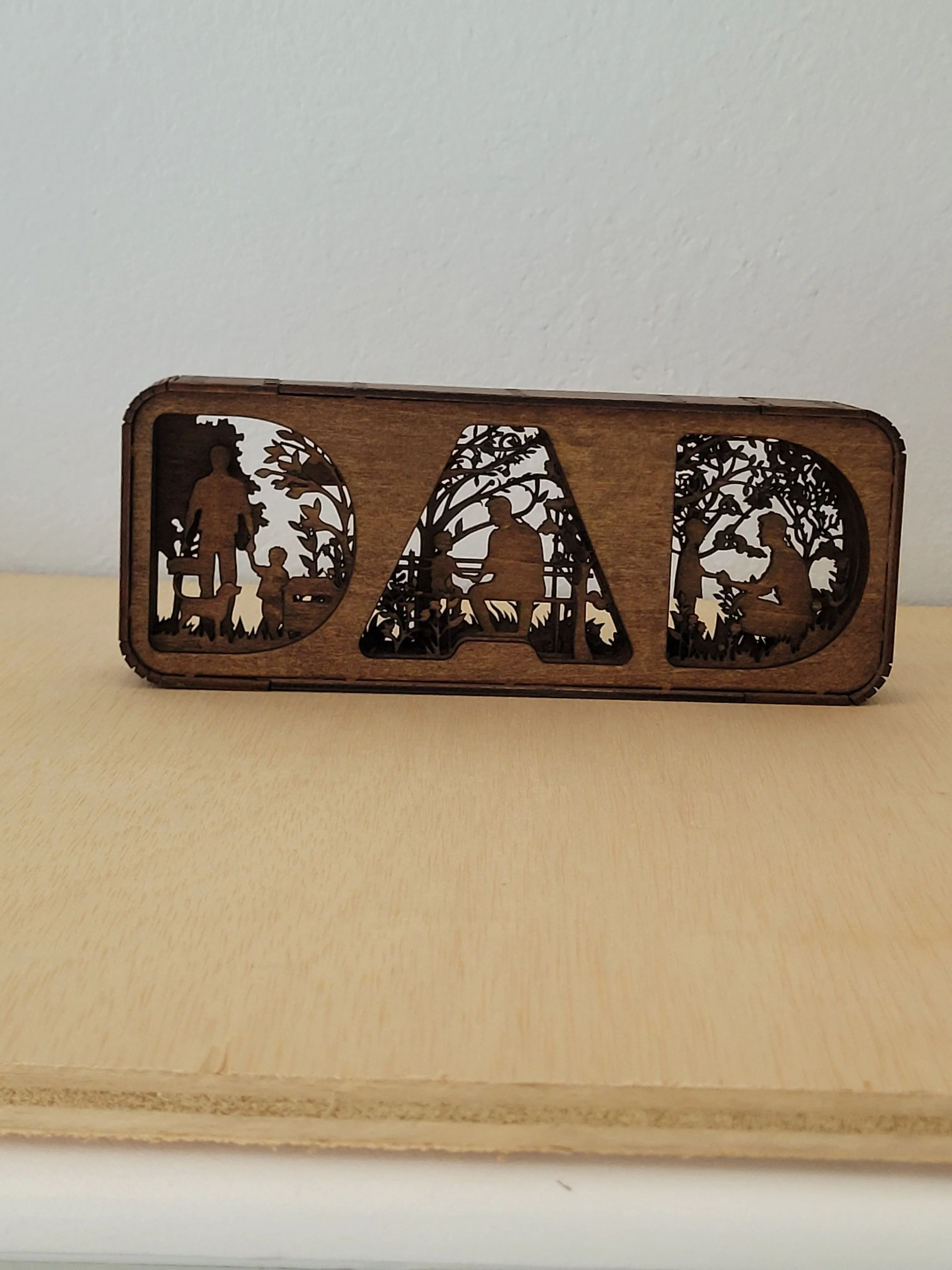
Personalized Gifts for Dad: How to Choose One He Will Keep
A simple way to choose a gift for Dad that fits his space, interests, and everyday life.
Read the guide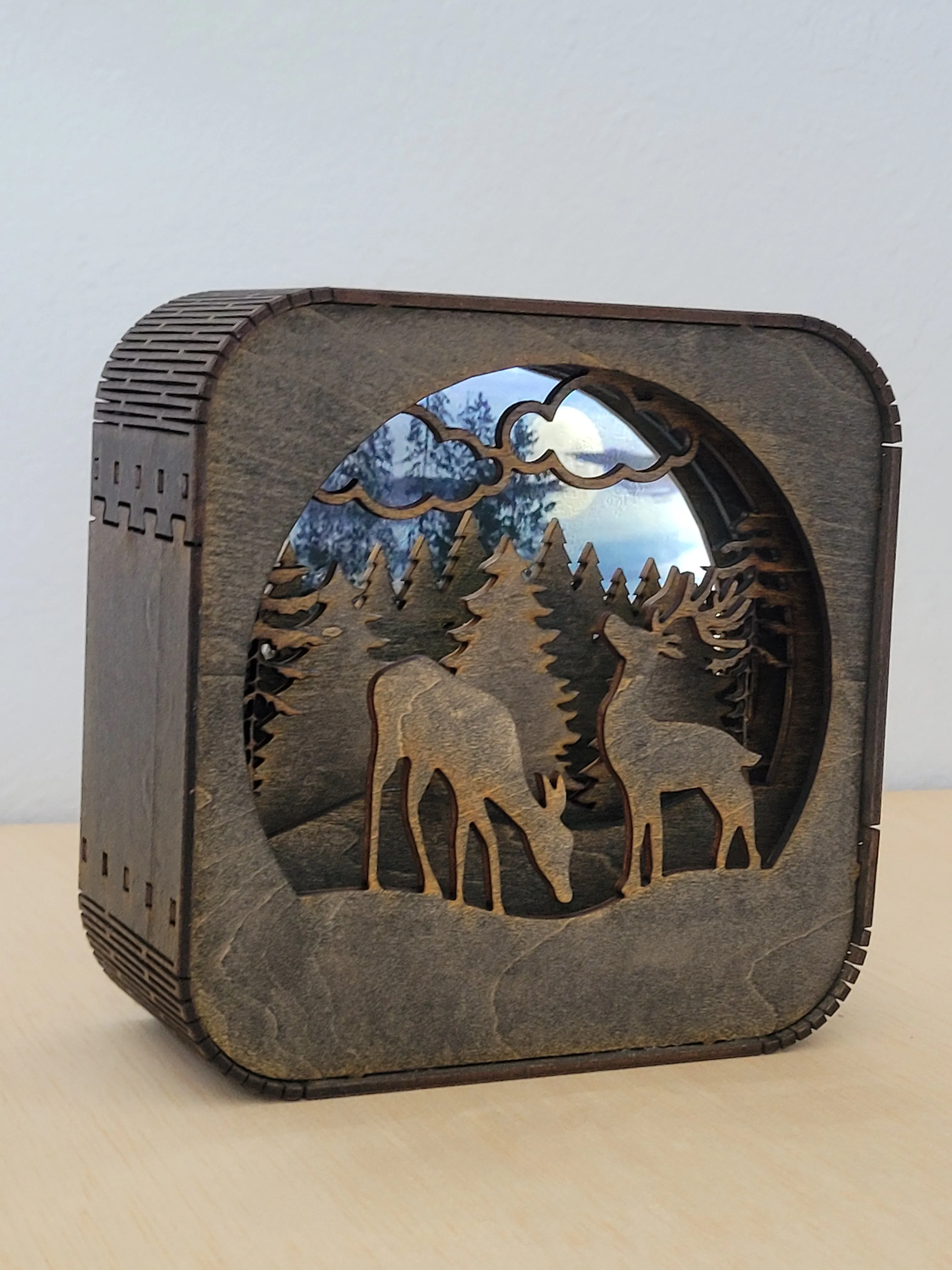
Gift guide
Why Handmade Gifts Are Special: How to Choose One
A practical guide to finding a handmade gift that feels personal, useful, and right for the person receiving it.
Read the guide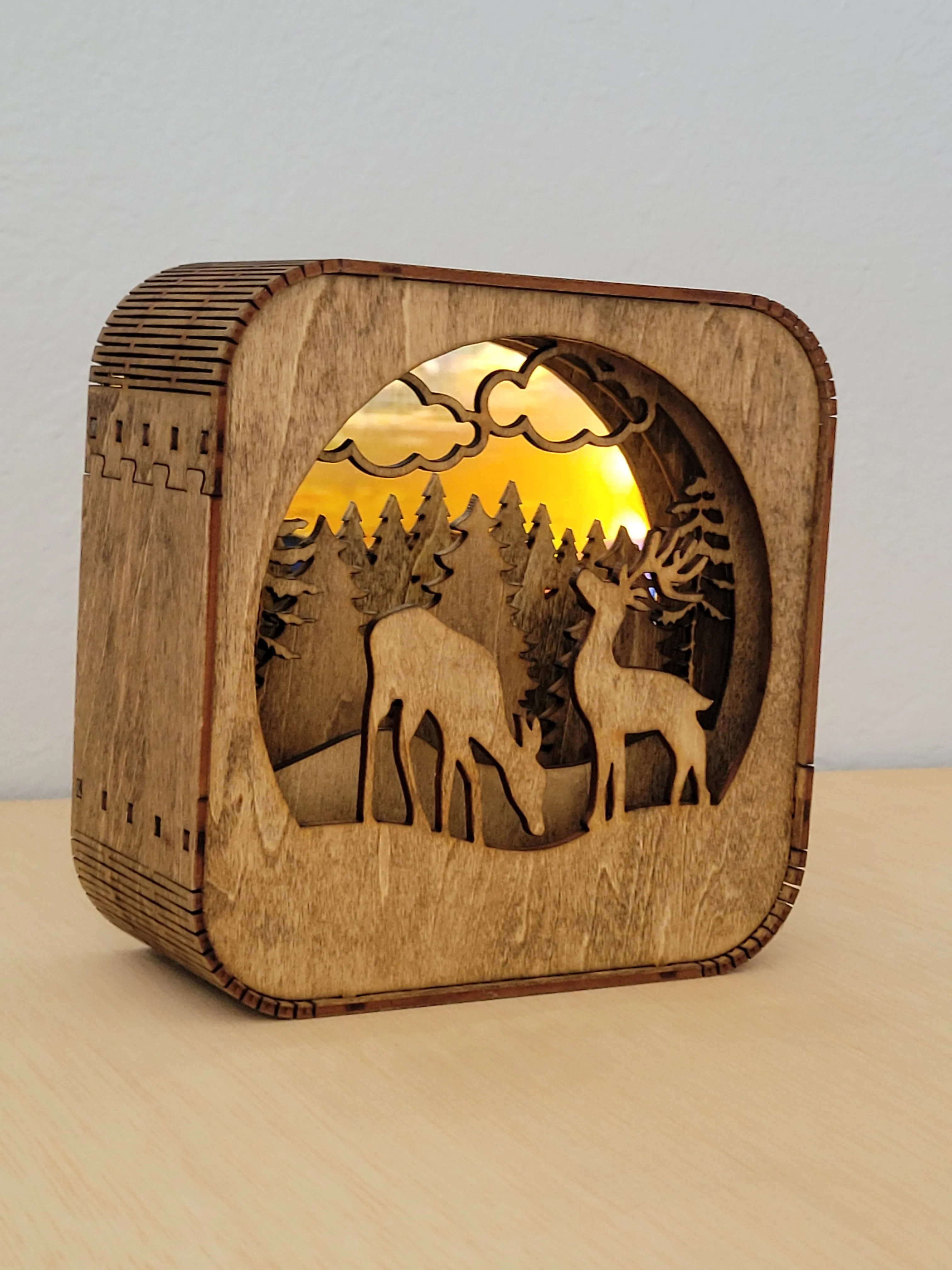
Gift guide
Gifts for Someone Who Has Everything: A Better Way to Choose
A practical guide to choosing a personal gift for someone who is hard to shop for, without buying more of the same.
Read the guide