Buying gifts for someone who has everything can make a simple occasion feel strangely difficult. It is not usually because they literally own every possible thing. It is because the usual shortcuts do not help. They can buy the practical item they need. They already have the standard version of their favorite hobby gear. A broad gift card may be useful, but it can feel like you gave up before you started.
The way out is not to hunt for a more expensive object or a stranger novelty. Start with a better question: what part of this person's life would be worth noticing? A favorite place at home, a family role, a habit, a theme they enjoy, or a memory you both recognize gives the gift a job. It becomes a piece that belongs somewhere in their life, not just another item they have to find room for.
This guide gives you a practical way to choose. It works for birthdays, holidays, anniversaries, housewarmings, thank-you gifts, and the people who always say they do not need anything. The goal is not to impress everyone at the party. It is to choose something that feels right to the person receiving it.
Stop looking for something they do not own
When a person is hard to shop for, most people begin by making a list of objects. They ask what they need, what is new, or what would be useful. That approach works well when someone has just moved, started a hobby, or mentioned a clear want. It gets much harder when the person already buys what they need for themselves.
Instead of trying to outsmart their shopping habits, look for something that reflects their life. The gift can be decorative, useful, funny, small, or personal. What matters is that it is connected to them in a way a generic purchase would not be. A piece for the shelf where they keep favorite photos has a clearer purpose than another gadget. A small desk item that fits their daily routine can feel more thoughtful than an expensive object chosen only because it was difficult to find.
Think in terms of recognition. What do you notice about them that they may not think to buy for themselves? Maybe they have made a favorite corner of the house their own. Maybe they are proud of a family nickname, a hobby, a team, a faith tradition, a favorite animal, or a place they return to in conversation. The best gift ideas for someone who has everything usually start there.
This also keeps you from buying an object that creates work for the recipient. A gift should not demand a new hobby, take up a large amount of space, or require them to change their routine unless you know they want that. A thoughtful choice fits in before it stands out.
Choose a place before you choose the gift
One of the easiest ways to narrow the search is to picture where the gift will live after the occasion is over. A shelf, nightstand, home office, reading corner, workshop, entryway, or desk tells you much more than a generic gift category. Once you have the setting, you can choose something with the right scale, mood, and purpose.
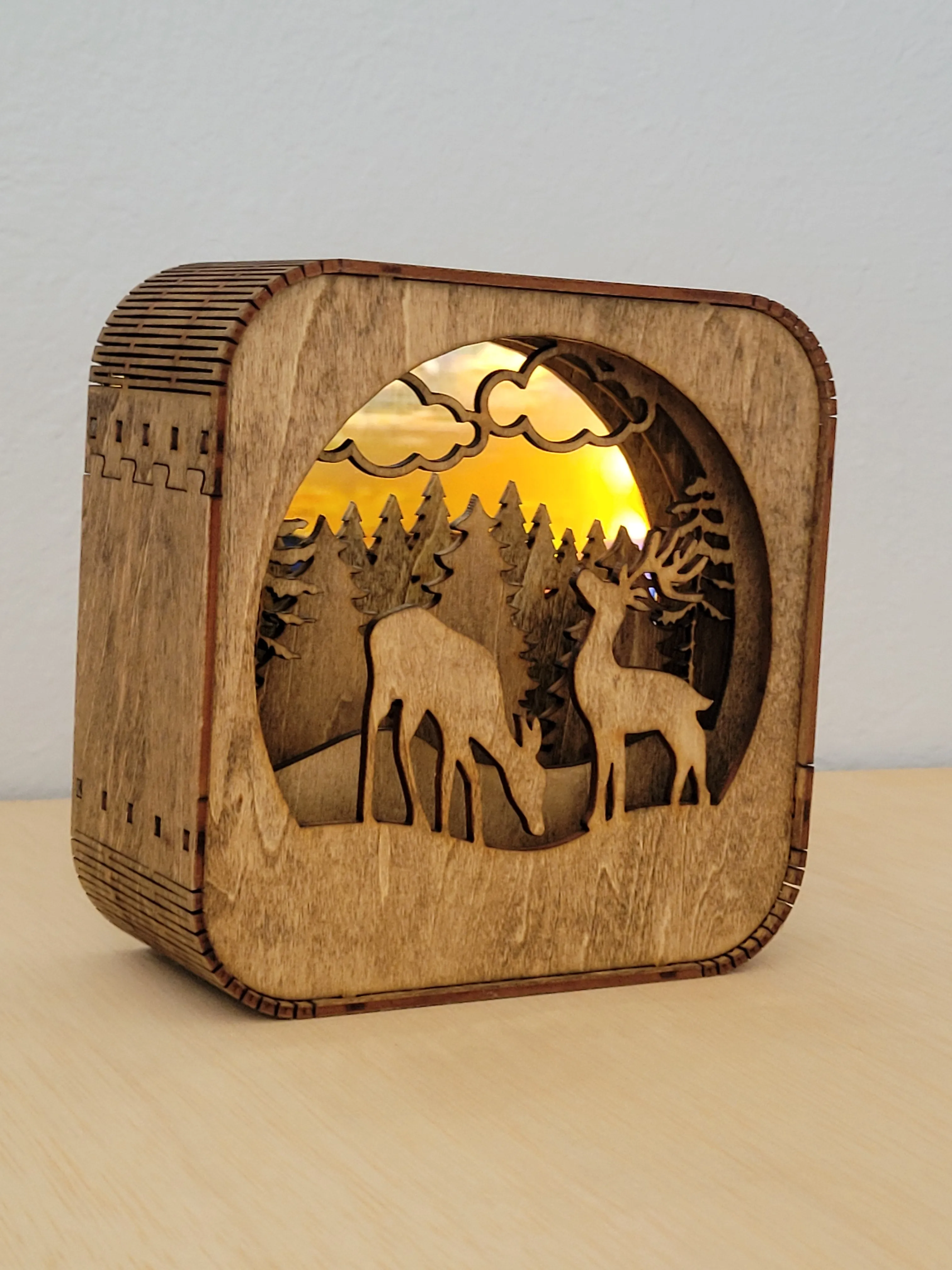
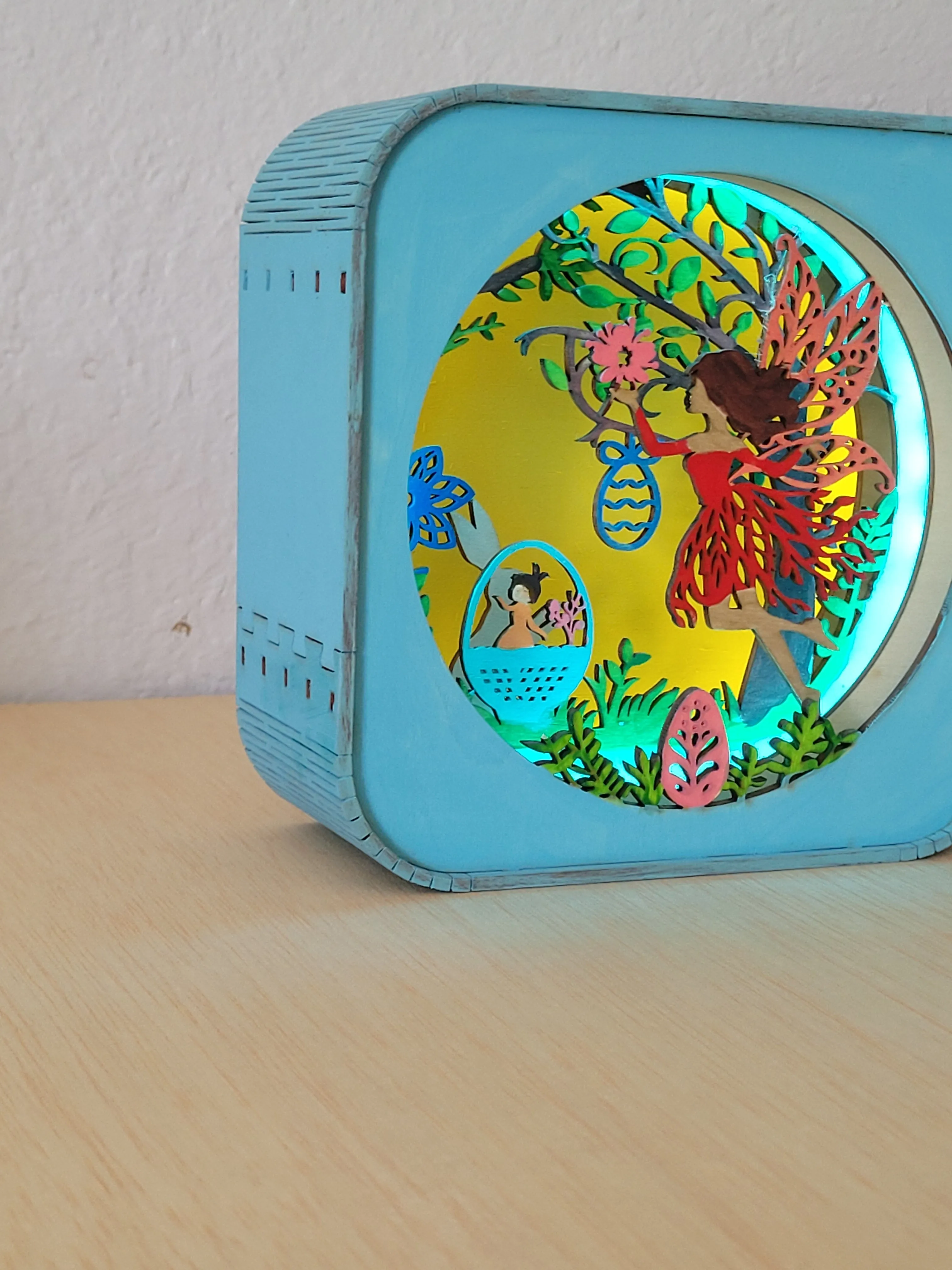
For example, someone who enjoys arranging meaningful pieces on a shelf may appreciate a layered wood display more than another item for a drawer. Someone who settles into a quiet corner at night may enjoy a small warm accent. A person who spends much of the day at a desk may get real use from a phone holder that adds a little character to the space. These are different gifts, but each one begins with a place the recipient already uses.
Before you shop, answer three quick questions: Where do they spend unhurried time? What part of the home feels most like theirs? What do they already keep in view? The answer does not need to be dramatic. A favorite chair, bedside table, craft room, kitchen counter, or office desk is enough to guide a more personal choice.
If you know the intended spot, check the dimensions before ordering. A gift can look substantial in a product photo but be made for a desk, or it can need more room than a crowded shelf has available. Seeing the place first helps you avoid a gift that is lovely in theory but awkward once it arrives.
Use one detail that only makes sense for them
Personal gifts do not have to be covered in names and dates to work. In fact, too many details can make a gift feel crowded or forced. One clear connection often carries more meaning than a long list of memories. A favorite theme, an initial, a short phrase, a family role, a warm stain, or a design that fits their personality can be enough.
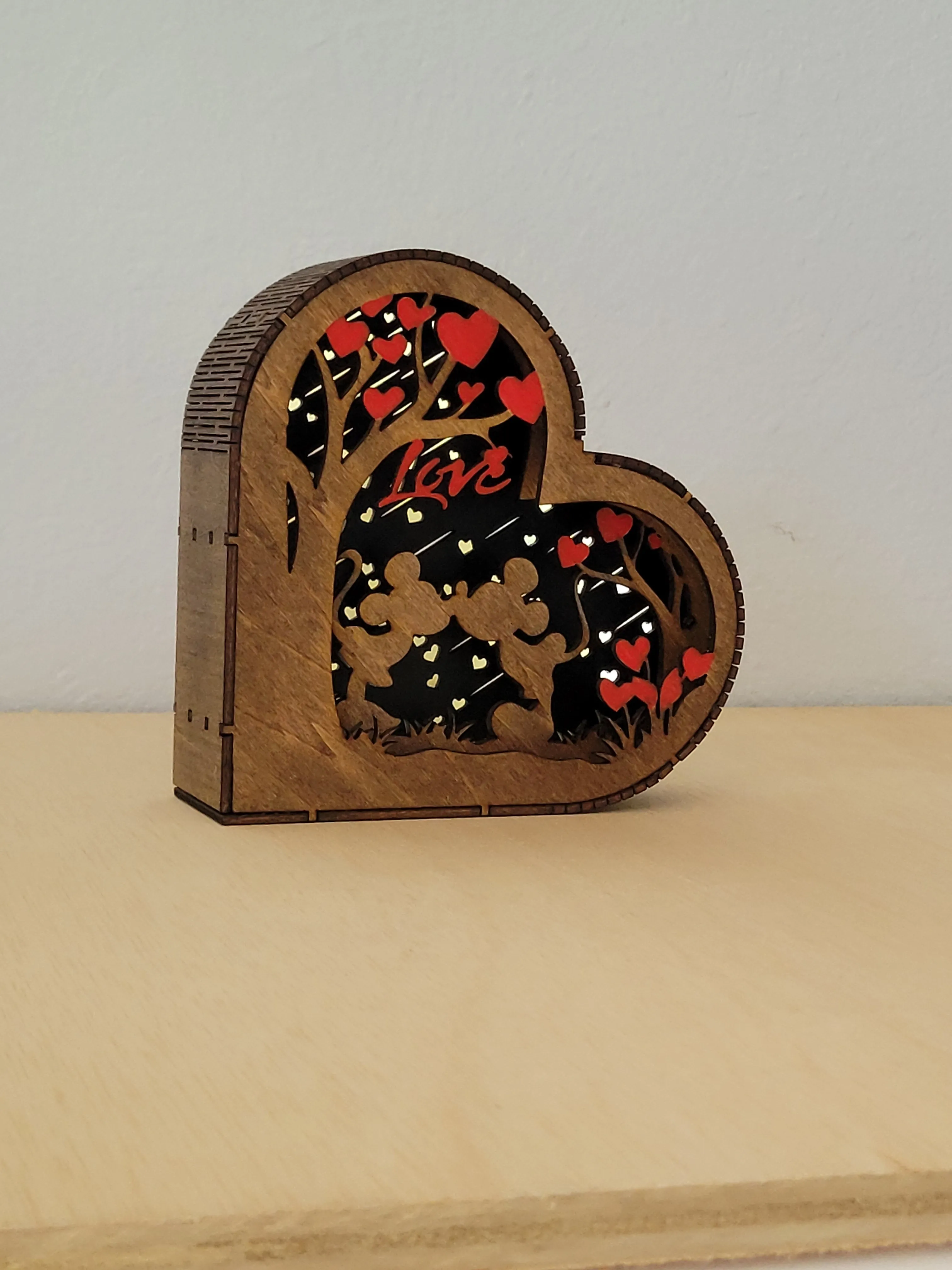
Try the "would anyone else choose this?" test. If the answer is yes, look for a small adjustment that makes the gift more specific. A heart-shaped piece can become more personal when it reflects the couple's style. A wood display can feel closer to home when its colors fit a room they love. An engraved item can mean more when the wording uses the name or phrase they actually use, not the phrase that appears on every gift aisle sign.
Keep the detail easy to recognize. Long messages may be meaningful to the giver but hard to read or easy to second-guess. Short, familiar details usually age better. A good personal touch should make the recipient smile right away, then continue to feel natural after the event has passed.
This is especially useful for people who are difficult to shop for because they are selective. You do not need to guess a new preference. You are simply paying attention to a preference they have already shown. That makes the choice feel more confident and less like a gamble.
Match the gift to their routine
A gift does not need to be a daily necessity to be useful. It can become useful because it belongs in a routine. A small item on a desk can make an ordinary workday feel more personal. A piece near a favorite chair can add warmth to the time someone takes to rest. A display on a shelf can quietly keep a family role, interest, or memory in view.
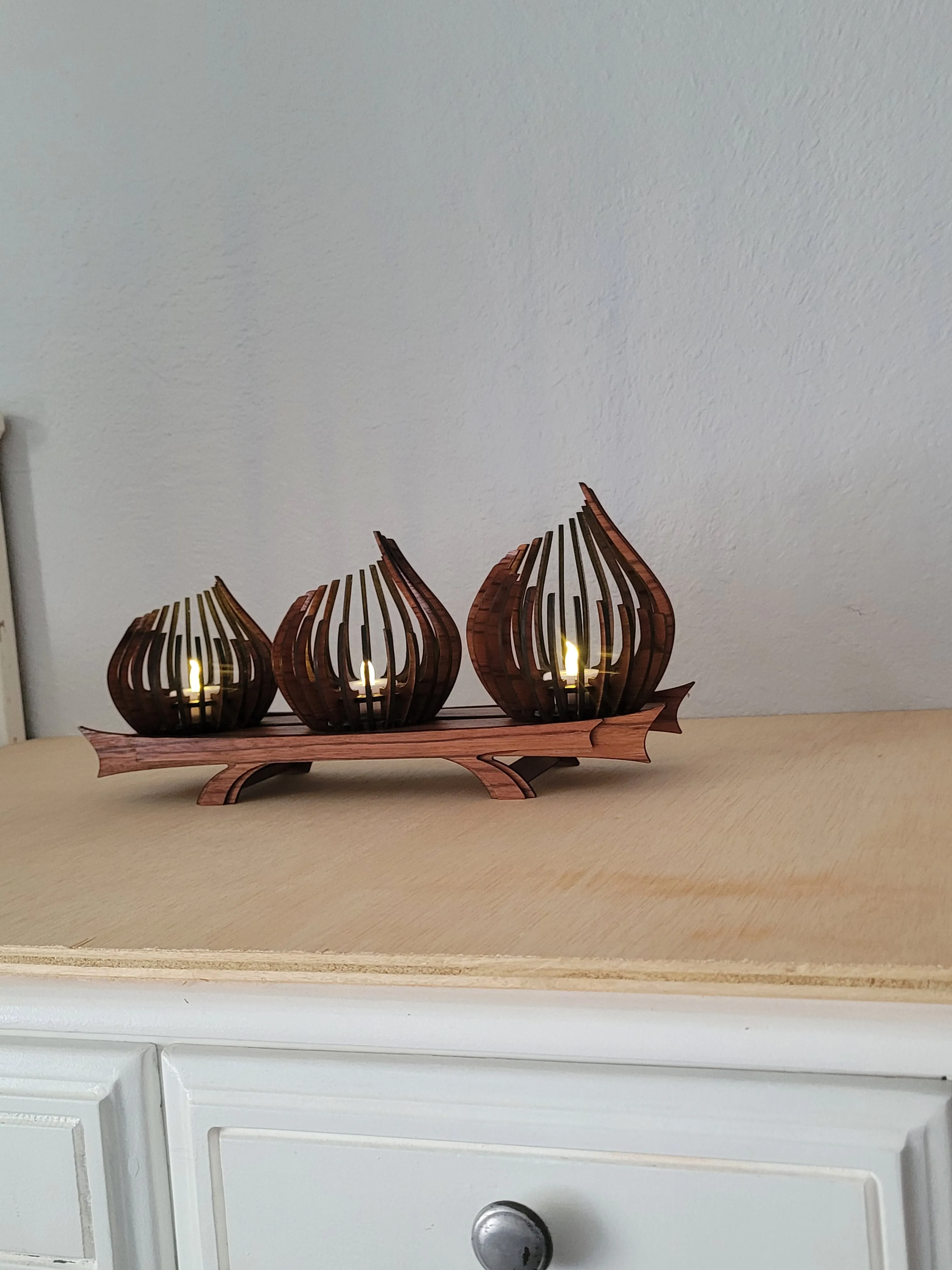
Look for patterns instead of purchases. The person who always has their phone beside them may appreciate a stand that gives the desk a better home for it. The person who enjoys a cozy evening space may prefer a decorative light or candle holder. The person who is most comfortable in a workshop, office, or den may value a piece that belongs on the wall or shelf there.
Practicality is not the same as utility. A beautiful item can be practical when it gives a place more character and makes that space feel like the recipient's own. The right choice should not feel like clutter. It should feel like something that was missing from the setting only after it has been placed there.
When you are comparing ideas, ask what they will see first. A small piece that is visible every day can be more memorable than a larger gift they use once a year. That is why it helps to decide on the setting before you decide on the product.

Give a gift with character, not just a category
Some gift categories are easy to buy and easy to forget. A generic mug, novelty sign, candle, or desk accessory may be perfectly fine, but it does not give you much room to show that you know the person. The alternative is not necessarily a custom masterpiece. It can simply be a piece with a clear point of view.
Character comes from the material, the design, the finish, and the reason the item suits the person. A layered wood scene has depth that a flat printed sign does not. A hand-finished piece can feel warmer in a room than another mass-produced object. A design with a favorite theme can make the gift feel more considered before any personal detail is added.
This is a useful approach for someone who says they do not want more stuff. They may not want another random object, but they may enjoy something that helps a favorite space feel more like home. The test is simple: can you explain why this particular piece belongs with them? If the explanation begins with their room, their style, their interests, or a shared memory, you are probably on the right track.
For gifts involving tea lights, keep the setting and safety in mind as well as the look. The U.S. Consumer Product Safety Commission advises keeping burning candles in sight, placing them on a stable, heat-resistant surface, and extinguishing them before leaving the room. Its candle safety guidance is a good reminder that a warm accent should be enjoyed with care.
Gift ideas that start with what you notice
The person who has everything is not always hard to shop for in the same way. One person is selective about decor. Another is sentimental but does not like a fuss. Someone else is practical, but still appreciates a detail that makes their routine feel more like their own. Rather than looking for one universal answer, start with the kind of connection you already have with them.
For the person who loves their home: Choose a piece that earns a place in a room they have made their own. A layered shadow box, wood scene, or warm accent can work well when they enjoy their shelves, mantel, entryway, reading corner, or favorite chair. Think about whether their space feels calm, rustic, playful, classic, or full of family stories. You are not trying to redecorate the room. You are looking for a piece that feels like it was meant to be there.
For the person who keeps meaningful things in view: Look for a keepsake rather than a gadget. They may already have everything they need, but that does not mean they have a piece that reflects a relationship, favorite place, or small part of their identity. A personal detail can be as simple as a name, a family title, a familiar phrase, or a theme they have always loved. The goal is to give them something they will notice again when they pass by it.
For the person who is always busy: A gift that fits into a daily routine can be better than another experience they need to schedule. A desk accessory, phone holder, or small item for a bedside table works because it does not ask them to find extra time. It adds a little thought to an ordinary moment. The key is to keep it easy to use and sized for the place where it will sit.
For the person who is difficult to surprise: Do not chase shock value. A surprise does not need to be something they have never seen before. It can be the moment they realize you noticed a detail they assumed nobody else had paid attention to. A favorite wood tone, a room they care about, a style they return to, or a family memory can all give a familiar kind of gift a more personal direction.
For the person who says they do not need anything: Respect that. Choose a gift that is modest in scale and strong in meaning rather than something that creates a new obligation. A small handmade piece can be a good fit when it adds warmth or personality without asking them to make space for a large object or change the way they live. Thoughtfulness often looks quieter than people expect.
In each case, the gift becomes easier to choose when you stop asking what category should work and start asking what you know to be true about the person. That is the difference between a present that is technically nice and a gift that feels like it came from you.
Know when to keep it simple
It is tempting to assume that every hard-to-shop-for person needs a deeply personalized gift. Sometimes that is right. Other times, a personal message, date, or name can make the choice feel heavier than the occasion calls for. The best gift is not the one with the most information on it. It is the one that fits the relationship and the moment.
Personalization is a good idea when the detail is already meaningful to the recipient. A family nickname, a role they value, a shared phrase, or a date that matters to both of you can turn a simple piece into something memorable. It is less useful when you are adding a detail only because the item allows it. A generic phrase can feel more like a label than a real connection.
When you are unsure, use the object itself as the personal choice. Pick the design, material, or finish that suits their space. A forest scene for someone who loves the outdoors, a heart-shaped display for a couple, or a warm wood accent for a quiet home can say plenty without extra words. The gift still feels chosen for them, but it has room to be enjoyed in its own way.
Keeping it simple also gives the recipient more freedom. A piece that is personal but not overly specific can work across changing homes, routines, and seasons. It can stay on a shelf or desk because it fits who they are, not because it only makes sense for one day on the calendar.
Use a simple way to compare your ideas
When you have three or four reasonable options, more browsing rarely solves the problem. It usually creates more possibilities and makes every choice feel less certain. Narrow the list by giving each idea the same short review.
- Connection: What real part of their life does this reflect? A room, routine, interest, relationship, memory, or style is stronger than a vague category.
- Place: Where would the gift go? Picture the exact shelf, desk, wall, nightstand, or bag before you buy.
- Use: Will they see it often, use it comfortably, or enjoy having it in view? A gift does not need to be essential, but it should have a natural home.
- Detail: Is there one choice that makes it more recognizably theirs, such as a finish, theme, name, or short phrase?
- Timing: Can you confirm the product details and give yourself enough room for shipping, gift wrapping, or a personal request?
The idea that wins does not have to be the biggest or the most expensive. It is the one with the clearest answer to all five questions. A smaller piece that matches the person and the place is often a much better gift than an elaborate object that could have been chosen for anybody.
It also helps to give yourself permission to stop at "right." The person who has everything does not need you to invent an impossible surprise. They need a gift that shows you noticed something real. Once you find a choice that does that, more searching can make the decision worse.
Check the details before you order online
A personal gift becomes less personal when it arrives in the wrong size, does not suit the intended space, or misses a detail you could have caught on the page. Before you place the order, read the full listing instead of relying on the first photo. Look at the material, dimensions, finish choices, what is included, and whether the image shows the exact version you are considering.
For any engraved, named, or made-to-order detail, pause long enough to check spelling and dates. Read the wording out loud. Compare it with a text message, family invitation, or other source that you know is correct. A short review now is much easier than realizing a cherished nickname was typed the wrong way after the gift arrives.
Timing matters too. The Federal Trade Commission recommends comparing the product details that affect a purchase, including size, color, and shipping fees, and checking the seller's delivery and return information before you buy. Its online shopping advice is useful when you are choosing a gift for a specific date instead of buying for yourself.
Finally, make sure the gift is appropriate for the recipient's household and lifestyle. A piece that needs a particular wall, surface, or candle should suit the way they actually live. Thoughtfulness includes choosing something they can enjoy comfortably, not just something that looks good in a photograph.
How Yarbys Creations can help
Yarbys Creations makes laser-cut and hand-painted wood pieces for the rooms, routines, and people that matter to you. A layered shadow box can give a favorite shelf, office, or nightstand more personal character. A piece from the home decor collection can add warmth to a room. Smaller pieces, including the phone holder collection, can make an everyday desk feel less ordinary.
Start with the setting and the person you have in mind, then browse the full collection for the piece that feels like it belongs. If a listed item has caught your eye and you want to ask about a name, initial, stain, lighting, or another available detail, the contact page is the best place to begin. A clear question about the real gift you have in mind makes the choice easier to get right.
Frequently asked questions
What do you give someone who has everything?
Start with something that reflects a real part of their life instead of another broad category of stuff. A favorite room, a family role, a hobby, a shared memory, or a small daily routine can all point you toward a gift that feels chosen rather than duplicated.
How do I choose a personal gift without making it too sentimental?
Choose one clear detail and let it carry the meaning. A nickname, warm finish, favorite theme, or piece made for a familiar shelf can feel personal without requiring a long message or a major milestone. The best choice should feel natural to the recipient.
Are handmade gifts a good choice for someone who is hard to shop for?
They can be a strong choice because they offer character and a sense of intention without assuming the recipient needs another practical item. Look for a handmade piece that suits their space or interests, then check its material, size, finish, and available options before you order.
What should I check before ordering a gift online?
Read the full product description, look through the photos, confirm dimensions and available options, and review shipping and return information. For any personal detail, double-check spelling, dates, and timing before placing the order.
What makes a gift feel thoughtful?
Thoughtfulness comes from fit. A gift feels thoughtful when it connects to something the recipient already enjoys, uses, displays, or remembers. It does not need to be expensive or complicated. One specific connection is usually enough.
Related posts
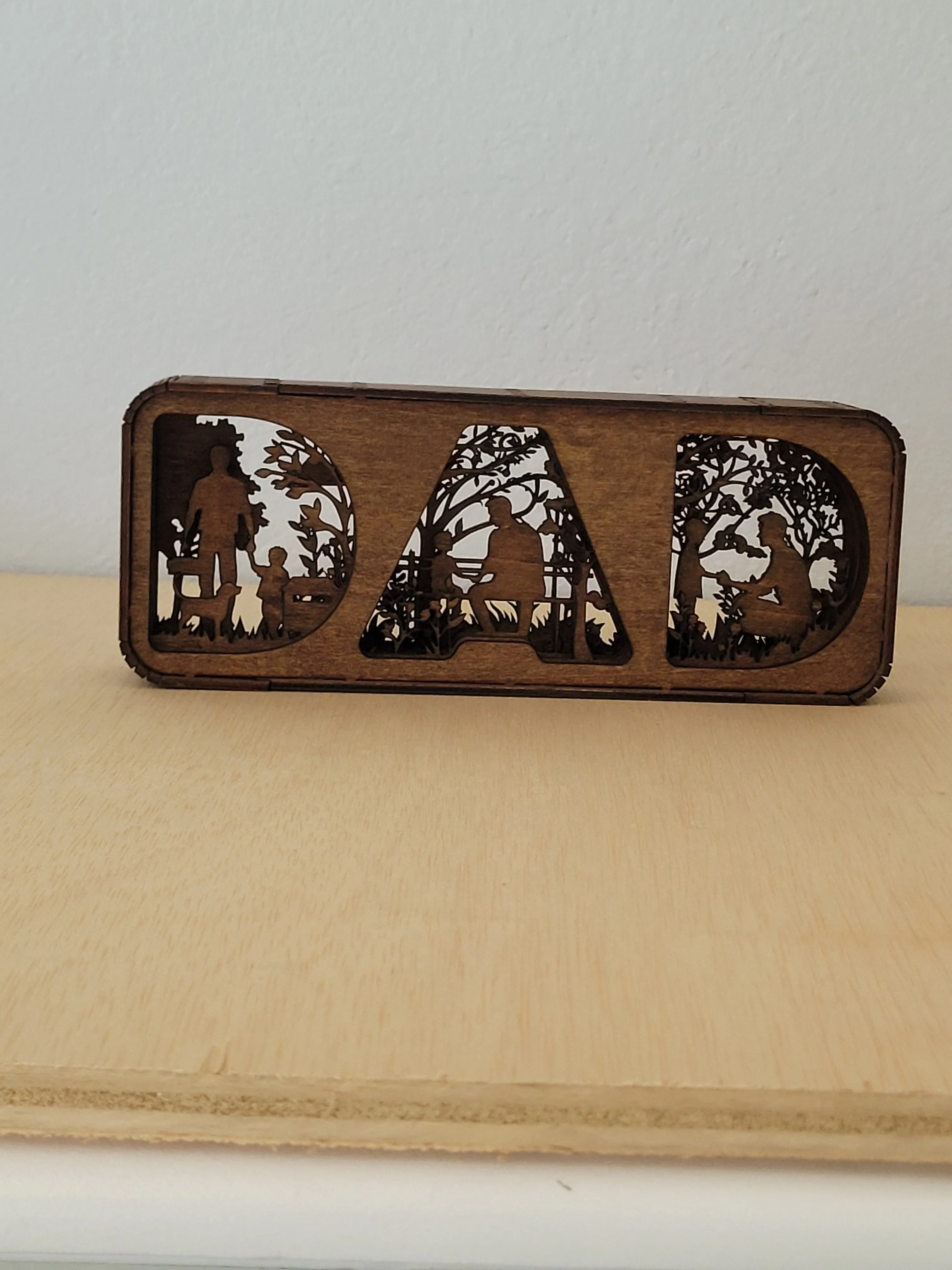
Gift guide
Personalized Gifts for Dad: How to Choose One He Will Keep
A simple way to choose a gift for Dad that fits his space, interests, and everyday life.
Read the guide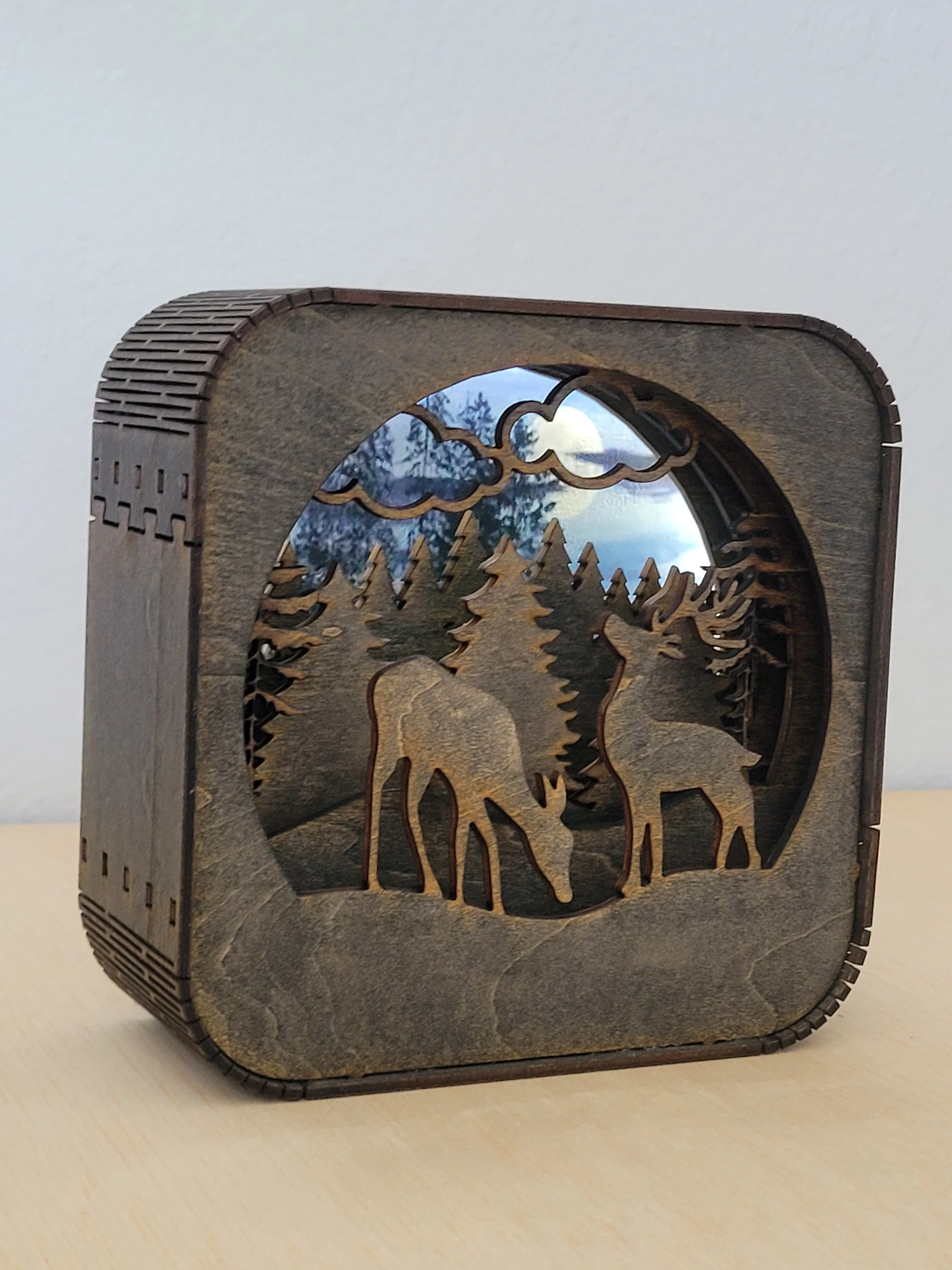
Gift guide
Why Handmade Gifts Are Special: How to Choose One
A practical guide to finding a handmade gift that feels personal, useful, and right for the person receiving it.
Read the guide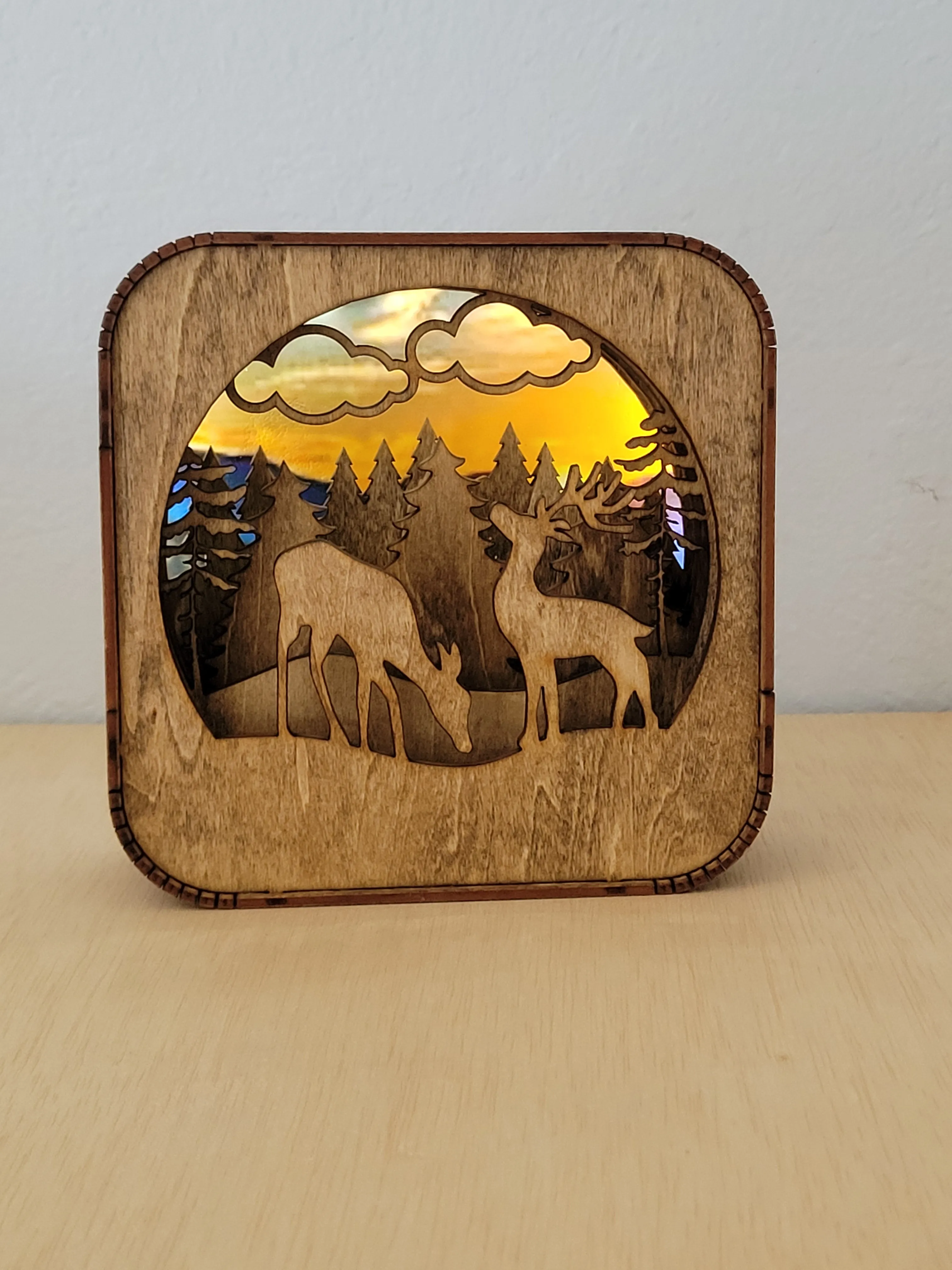
Gift guide
Housewarming Gifts for Men: How to Choose One He Will Keep
A practical way to choose a housewarming gift that fits his new space, routines, and personal style.
Read the guide